New York imposes two distinct licensing requirements on collateral lenders operating within the five boroughs: a Pawnbroker License from the NYC Department of Consumer and Worker Protection, and a state-level registration with the New York State Comptroller. The city also mandates daily transaction reporting to the NYPD — a transparency obligation with no direct counterpart in most U.S. lending markets.
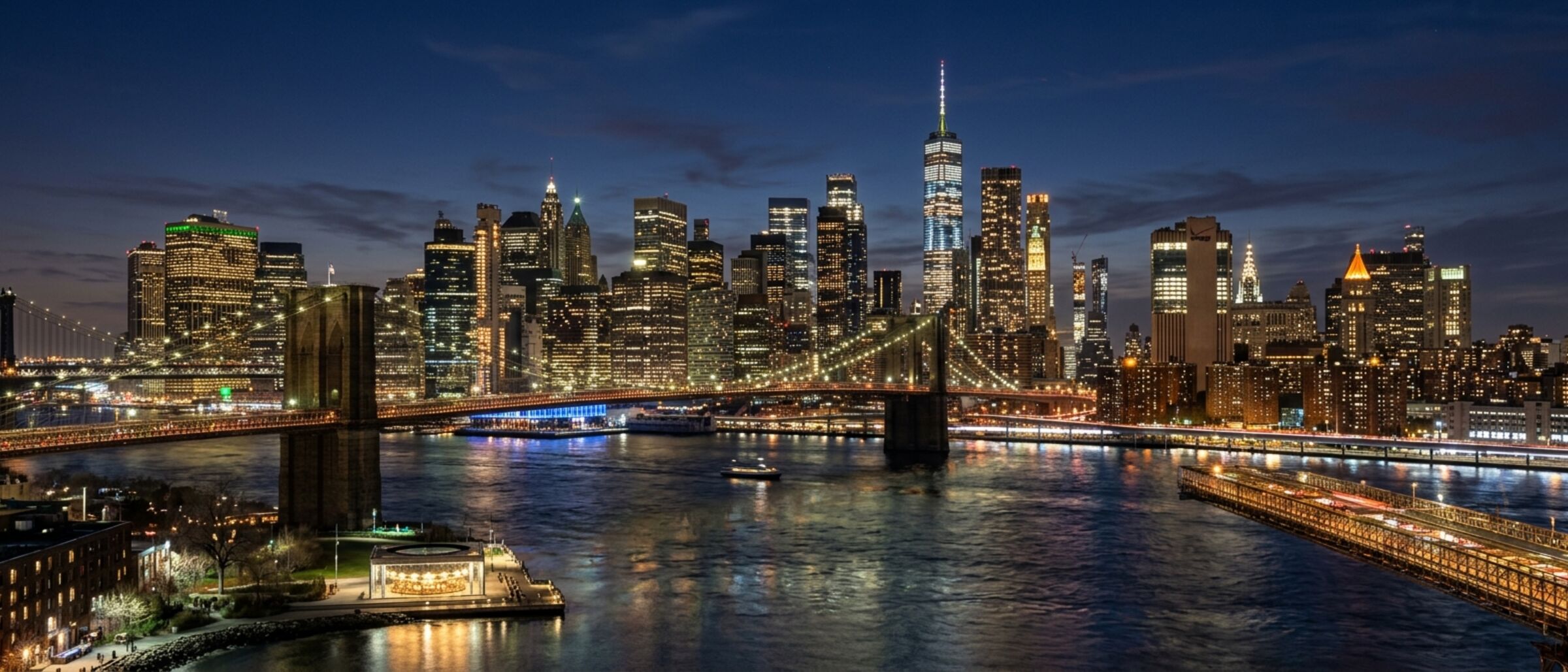
New York City stands apart from most U.S. markets in requiring two separate licensing obligations from any collateral lender operating within the five boroughs. The NYC Department of Consumer and Worker Protection (DCWP) issues a Pawnbroker License to any entity that functions as a collateral loan broker. Under New York State General Business Law (GBL) §52, a pawnbroker is defined as any person, partnership, or company that loans money on personal items or buys personal items and sells them back at a set price.
A parallel state obligation runs alongside the city license. The operator must also file a Collateral Loan Broker's Registration Statement with the New York State Comptroller's Office; the state filing fee is $5.00. That registration carries an ongoing duty to report unclaimed property — funds and items that pledgors have not returned to claim — to the Comptroller. The Comptroller's office publishes specific rules and regulations governing the format and timing of those unclaimed property reports.
GBL §46 caps interest at 4% per month, or any fraction of a month. A minimum charge of $0.25 per month may be applied to any loan. The same statute prohibits a lender from collecting interest beyond fifteen months from the origination date without an agreed extension between the parties.
GBL §48 sets the standard loan term at four months, followed by a mandatory thirty-day grace period. The pledgor may redeem the collateral at any point during the term or the grace period. The lender may not sell pledged property until the grace period has expired — even if the loan has matured and no redemption has occurred. These are statutory minimums, not discretionary terms; our licensed lender partners structure every New York transaction within them.
The DCWP Pawnbroker License carries specific compliance requirements beyond the application form itself:
The daily NYPD reporting requirement is uncommon among U.S. collateral lending jurisdictions. Transaction-level data from every licensed desk in New York City flows to law enforcement on a daily basis — a degree of structural oversight built into the operating model rather than imposed selectively. The fingerprinting obligation applies to any principal holding 10% or more of the business, making it a broad screen across the full ownership structure of any license applicant.
50 West 47th Street — known as the International Gem Tower — is the physical center of New York's gem and jewelry trade. Developed by Extell Development under Gary Barnett and opened at the end of 2012, the 34-story, approximately 745,000-square-foot building organized its first twenty floors as commercial condominiums sold specifically to jewelry-industry tenants. The Gemological Institute of America operates its laboratory at that address, issuing diamond and major colored-stone reports. For a collateral lender, current GIA documentation is the most consequential single factor in setting loan-to-value on a stone; pieces without it are routinely rescanned through the 47th Street lab before any financing discussion closes.
The Diamond Dealers Club (DDC), founded in 1931, relocated from 580 Fifth Avenue to the 11th floor of the International Gem Tower in 2017. The DDC's approximately 2,000 member businesses transact on a closed trading floor where rough and polished diamonds change hands on the handshake-and-mazal convention. The DDC was a founding member of the World Federation of Diamond Bourses when that organization was created in 1947. The concentration of graders, dealers, and independent appraisers in a single building means that collateral verification in New York City can proceed faster than in most other U.S. markets — a practical factor in the underwriting timeline for any gem-secured loan.
Loans in New York are originated by licensed lender partners; Luxury Asset Lenders does not lend directly. The statutory figures on this page reflect New York law as of January 1, 2024, and are general guidance only — not loan offers, rate commitments, or guarantees of approval. Each transaction depends on the specific collateral presented, the applicable lender's underwriting criteria, and current market conditions. Our Disclosures page and FAQ set out the process in further detail. To start a conversation about a specific asset, contact us directly.
Loans are originated by licensed lender partners. Loan offers, terms, rates and final decisions are made by the originating licensed lender at appraisal — figures shown here are general guidance, not loan offers.
Last reviewed August 16, 2026.
We use cookies for essential site functionality. With your consent, we also use analytics and advertising cookies to improve our service. Learn more.