Miami's international buyer concentration and the specific mechanics of Florida's pawnbroking statute create a lending environment that differs materially from most other U.S. markets. Chapter 539, Florida Statutes sets the terms; Henley & Partners and MIAMI Realtors data define the client base. Both are explained below.
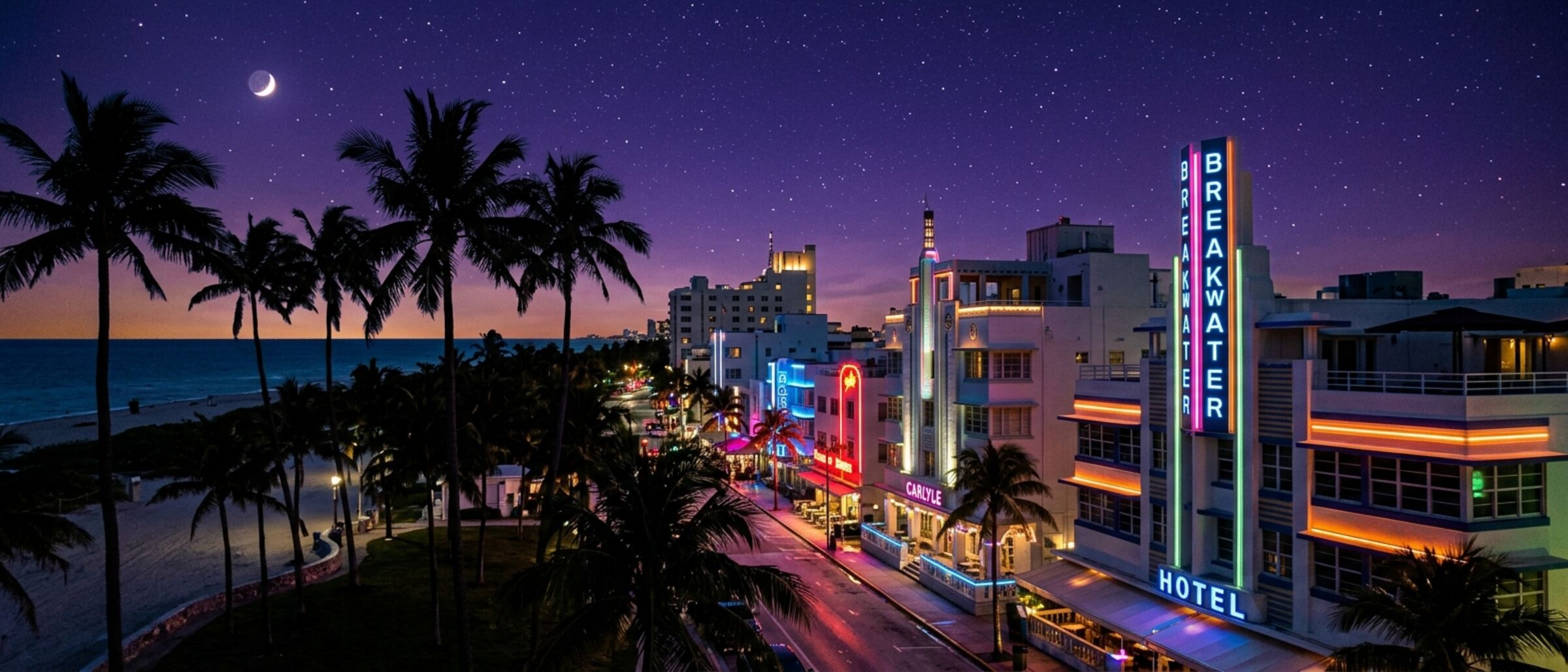
Asset-backed lending in Florida is governed by Chapter 539, Florida Statutes — formally titled the Florida Pawnbroking Act — with administrative oversight vested in the Florida Department of Agriculture and Consumer Services (FDACS). The implementing administrative rules are codified under Florida Administrative Code Rule Chapter 5J-13. Licensees must maintain a net worth of at least $50,000 or post a $10,000 surety bond per license location with a surety company qualified to operate in Florida.
Three statutory terms define how every transaction unfolds:
Loans arranged through this platform are originated by licensed lender partners holding the applicable FDACS authorizations. All figures and timelines shown on this page are general guidance only and do not constitute a loan offer or commitment to lend.
Two overlapping characteristics define the client base that uses asset-backed lending in Miami: high liquid wealth and a demonstrated comfort with all-cash, collateral-secured transactions.
Miami's millionaire population grew 94 percent between 2014 and 2024, the fastest rate recorded for any major U.S. city, reaching approximately 40,000 individuals — a figure drawn from Henley & Partners' World's Wealthiest Cities Report and measured strictly on liquid investable assets: stocks, cash, bonds, and cryptocurrency, with real estate excluded from the count entirely.
South Florida ranked first among all U.S. markets for foreign residential purchases in 2025, with international buyers closing $4.4 billion in transactions, up from $3.1 billion in 2024. International buyers represented approximately 15 percent of South Florida transactions that year — roughly 7.5 times the national average of about 2 percent. Foreign buyers account for 52 percent of new-construction condo sales in the region, drawing purchasers from 73 countries; Latin American investors represent 86 percent of all foreign transactions.
Approximately 51 percent of South Florida's international buyers transact in cash, against a 47 percent national average. A client base that regularly closes large all-cash real estate positions is structurally familiar with collateral-based credit, and their movable assets — watches, fine jewelry, investment-grade diamonds — often travel with them.
Our licensed lender partners consider luxury watches, fine jewelry, and investment-grade diamonds among the asset classes most commonly pledged in this market. The full intake and valuation process is described on the How It Works page, and the FAQ addresses documentation requirements and typical timelines.
For a preliminary indication of loan value on a specific asset, the most direct path is an inquiry through the contact page. Clients in other markets can find region-specific information on the Los Angeles and New York pages.
Loans are originated by licensed lender partners. Loan offers, terms, rates and final decisions are made by the originating licensed lender at appraisal — figures shown here are general guidance, not loan offers.
Last reviewed August 27, 2026.
We use cookies for essential site functionality. With your consent, we also use analytics and advertising cookies to improve our service. Learn more.