Dallas concentrates energy-industry headquarters, a measurable wealth pool, and a licensing framework that shapes every asset-backed loan in the state. This page covers the regulatory structure, the client context, and what the assessment process involves here specifically.
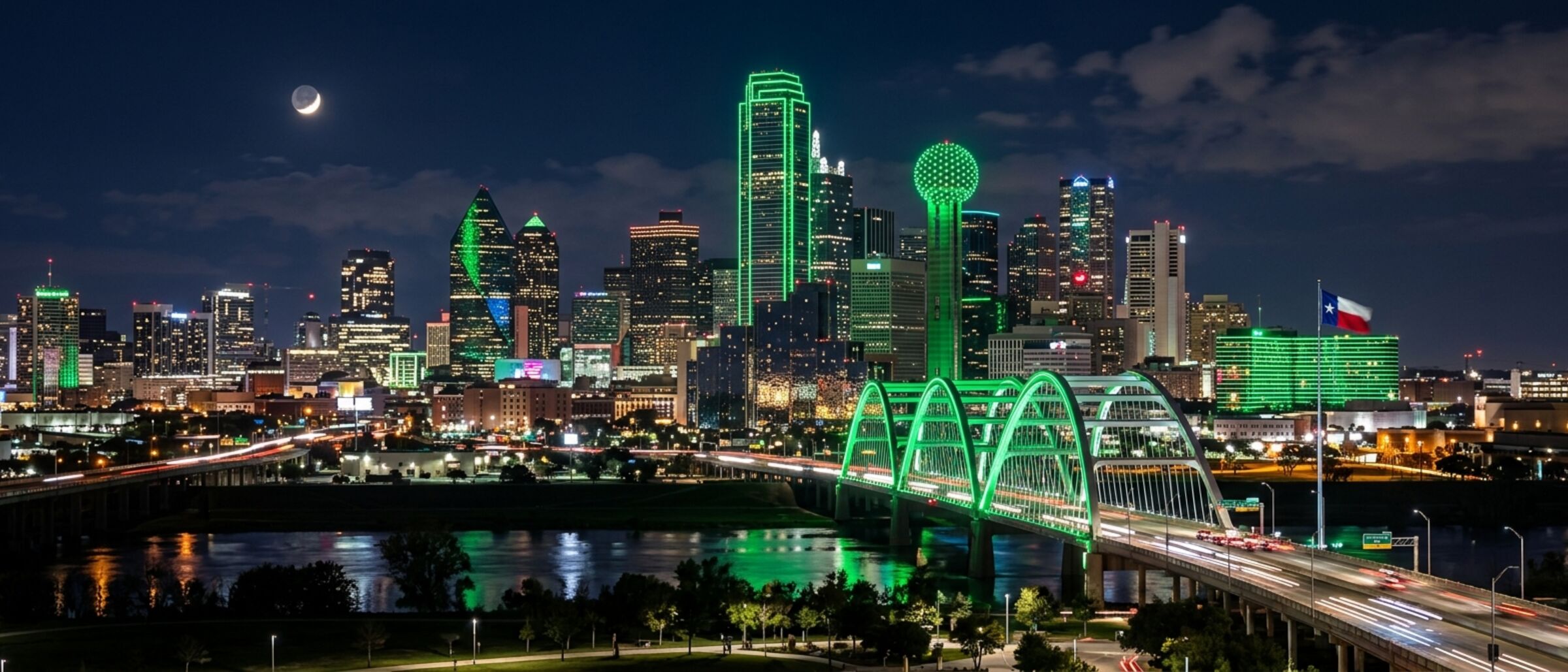
Dallas is home to one of America's largest concentrations of energy company headquarters outside Houston. Named tenants include Energy Transfer LP, Atmos Energy Corporation, HF Sinclair, Matador Resources, Comstock Resources, Kosmos Energy, and TXU Energy. Energy Transfer alone reported revenue of $82.671 billion and net income of $6.565 billion for fiscal year 2024. The city functions as the C-suite and administrative center for an industry that paid $27 billion in state and local taxes in Texas during fiscal year 2025 and employed over 495,500 workers at average salaries of $133,095.
That concentration produces recurring, discrete liquidity needs. Equity distributions, year-end bonuses, and compensation tied to commodity cycles do not always settle on schedule — and a short-term facility secured by a watch or a piece of jewelry requires no business justification and leaves no mark in a credit file. The gap between an anticipated distribution and its actual settlement date is often weeks; asset-backed lending fills that interval without requiring a banking relationship or a disclosed securities position.
Wealth density in Dallas is also measurable in aggregate. According to the World's Wealthiest Cities Report 2025 by Henley & Partners, Dallas counted 72,400 millionaires, 135 centi-millionaires (net worth at or above $100 million), and 16 billionaires as of December 2024 — an 85% increase in millionaire population over the prior decade. Nineteen Dallas-Fort Worth residents appeared on the Forbes 400 Richest Americans list in 2025. That population commonly holds significant value in portable, appraised assets.
Asset-backed lending secured by personal property in Texas is governed by Texas Finance Code, Chapter 371 — formally the Texas Pawnshop Act, enacted by the 75th Legislature and effective September 1, 1997. The licensing authority is the Office of Consumer Credit Commissioner (OCCC). Under § 371.051, no person may engage in business as a pawnbroker without a pawnshop license issued by the OCCC.
The statute sets specific financial thresholds. Section 371.072 requires a licensed pawnbroker to maintain net assets of at least $150,000 per pawnshop location, used or readily available for use in the business, represented by a capital investment unencumbered by any lien or encumbrance. A new applicant pays an investigation fee of $500 under § 371.055; an existing licensee adding a location pays $250.
Texas also imposes a multi-party notification requirement at the application stage. Under § 371.057, on receipt of an application the OCCC commissioner must notify the Department of Public Safety, each local law enforcement agency in the county, and each pawnbroker already operating in that county — a step that sets Texas licensing apart from lighter-touch regimes.
Pawn service charge rates are set within ceilings published by the OCCC in an annual Pawn Rate Chart; the current edition covers July 1, 2026 through June 30, 2027. This site does not reproduce those rate tables. Confirm current per-bracket figures directly at the OCCC before relying on any number in circulation.
An assessment begins with the asset, not the borrower's credit profile. Present the item — or clear photographs and supporting documentation such as purchase receipts, service records, or gemological certificates — and an appraiser establishes a current fair-market value. A loan offer, if made, specifies the principal, the applicable service charge, the loan period, and the redemption terms. An extension before maturity may be requested; full redemption returns the pledged asset in the condition in which it was received.
Common collateral categories include:
Loan amounts, rates, and terms vary by collateral and are established case by case. All figures shown on this site are general guidance only — not loan offers and not commitments to lend. All loans are originated by licensed lender partners. See how it works for a full description of the process, the frequently asked questions for common collateral terms and categories, and disclosures for applicable regulatory notices. To submit a Dallas asset for review, use the contact page. For platform background, see about.
Loans are originated by licensed lender partners. Loan offers, terms, rates and final decisions are made by the originating licensed lender at appraisal — figures shown here are general guidance, not loan offers.
Last reviewed August 27, 2026.
We use cookies for essential site functionality. With your consent, we also use analytics and advertising cookies to improve our service. Learn more.